

 See My Latest Article on HelloNation
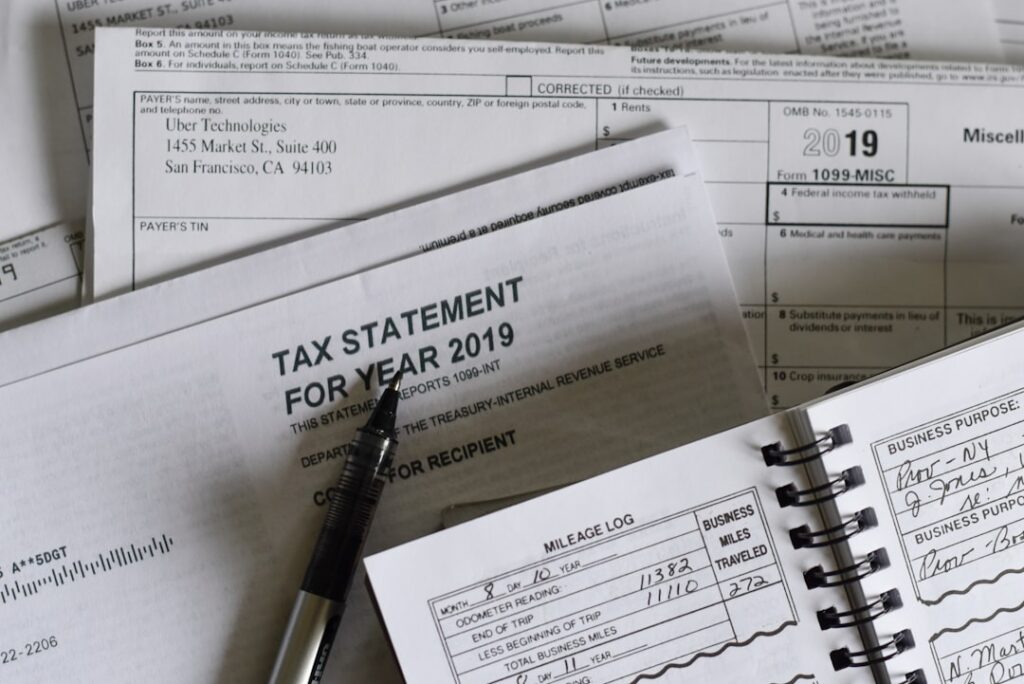
What Are Property Taxes and How Are They Calculated?
Property taxes are recurring fees that homeowners pay based on the assessed value of their real estate. In Show Low, AZ, property taxes fund essential public services like schools, emergency response, and road maintenance. The amount is determined by multiplying the local property tax rate by the assessed value of a property, which is updated annually.
The county assessor sets the value for each home using recent sales, property characteristics, and sometimes on-site inspections. Different property types may be taxed at slightly different rates, but most residential homeowners follow similar calculations. If a homeowner disputes an assessment, there’s an appeal process through the county assessor’s office.
How Do Property Tax Bills Arrive and When Are They Due?
Most area households receive property tax statements each fall, with bill payment typically required in two installments—one due in the fall and one in the spring. The county treasurer oversees this process, sending annual notices that include a breakdown of the bill.
Missing a payment can lead to penalties and additional interest charges, so timely payment is critical. Homeowners with mortgages often have property taxes paid out of escrow, meaning their lender collects a portion monthly and pays the tax bill on their behalf. It's still wise to review statements personally to catch errors.
What Can Affect a Home’s Assessed Value?
The assessed value of a property is not always the same as its market value. Factors that play a role include:
- Recent sales of similar homes in the neighborhood
- Upgrades or additions to the property, such as a new room or garage
- Physical changes like repairs or renovations
- Shifts in the local housing market, including periods of sustained growth or decline
Routine maintenance and repairs—such as painting a house or replacing a roof—do not typically result in higher assessments. However, substantial home improvements may increase the property’s value as seen by the assessor.
What Happens If a Homeowner Disagrees with Their Assessment?
Homeowners have the right to appeal if they believe a valuation is too high. A formal appeal must be filed with the county assessor's office, usually shortly after receiving the assessment notice. Successful appeals can hinge on providing evidence—like sales figures for similar homes or proof of property damage that reduces value.
Misunderstandings are common. Some property owners believe simply disagreeing with the tax amount is grounds for an appeal, but the dispute must be about the valuation, not the overall tax bill.
How Are Property Taxes Used in the Community?

Property tax revenue supports local infrastructure, including public schools, fire protection, police services, libraries, parks, and roadwork. The distribution of funds is guided by public budgets, and residents can often view these budgets on county and municipal websites.
For residents of the city, this helps maintain the quality of life, ensures safety, and supports community initiatives that benefit the entire population.
Are There Tax Relief Programs for Certain Homeowners?
Arizona law provides property tax exemptions and relief programs for some homeowners, including seniors, disabled individuals, and qualifying veterans. Homeowners may also benefit from programs like the state’s “property valuation freeze” for those on fixed incomes who meet eligibility requirements.
Each program has specific application processes and deadlines, usually administered through the county or state agencies. Common misconceptions are that all retirees or disabled residents automatically qualify for exemptions—documentation and formal application are typically necessary.
What Should New Homeowners Know about Property Taxes in the Area?
New homeowners might be surprised by changes in property tax bills after a home sale. Assessments can be updated after a property transfer, potentially adjusting a home’s taxable value. Escrow accounts commonly held by mortgage companies help spread payments but don’t completely shield homeowners from future increases.
Planning for property taxes as part of regular household budgeting can prevent surprise expenses. Reviewing annual statements and keeping records of property changes can make navigating assessments and appeals much easier.
Where to Find Tax Records and Assessment Information
Property tax information is public record. Residents may access assessment history, tax rates, and payment records through official county websites. For those researching a property’s tax history, these online systems offer detailed breakdowns and links to more resources.
Local libraries and public offices often provide online access or print copies of guides explaining property tax basics, and community workshops may cover local tax topics seasonally.